Source Wooden Hand Bell for Children for School, Home, and Play
Find a wooden hand bell for children among 30 available options. Compare materials like wood and metal, check specifications such as size and weight, and review features including durability and portability to select the right instrument for educational or recreational use.
Key considerations
Products List

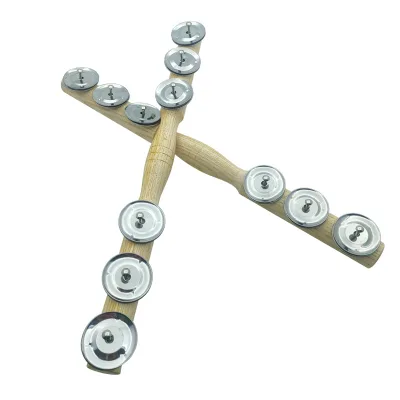
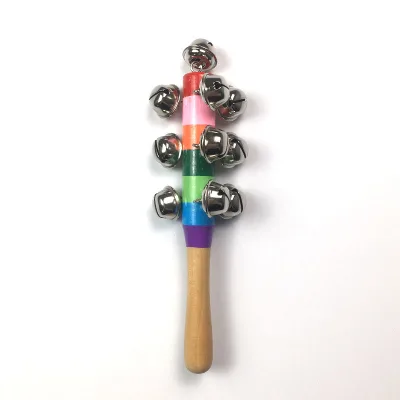
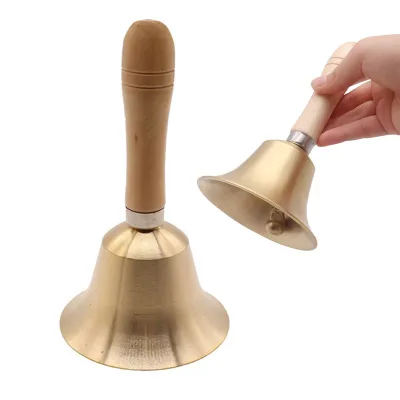
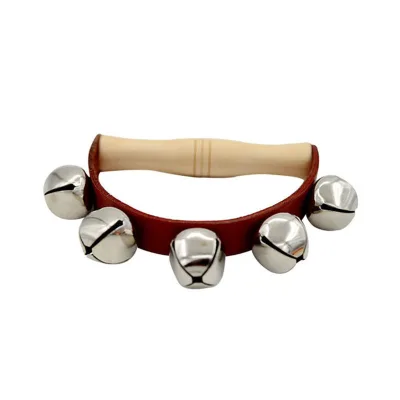


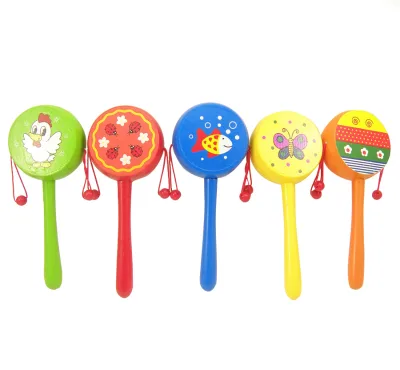



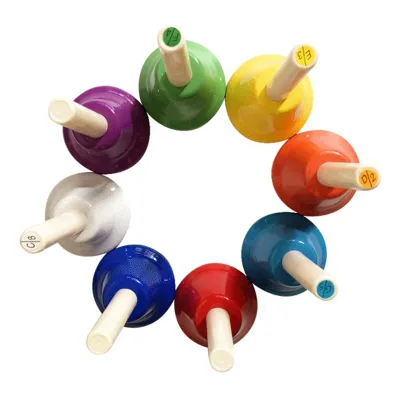
Comprehensive Sourcing Guide
Wooden Hand Bell for Children Sourcing Guide
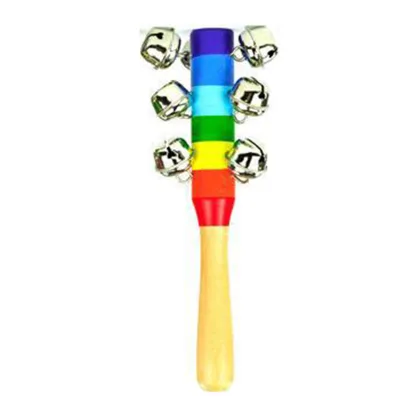
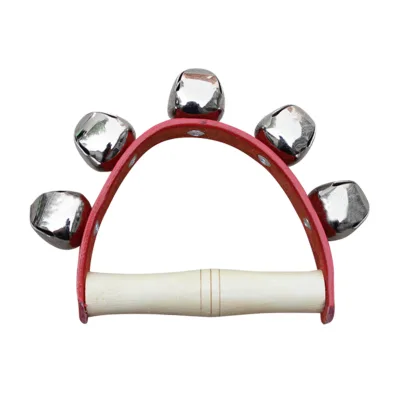
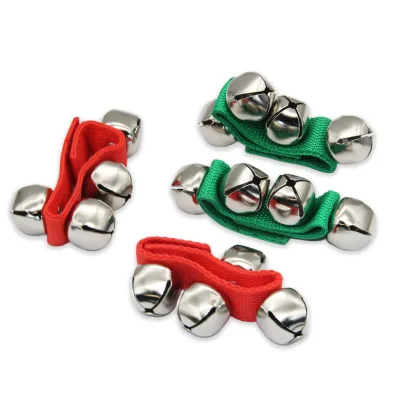
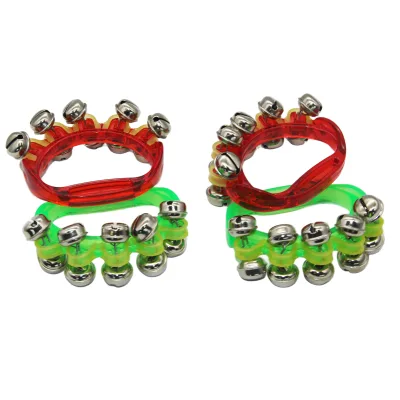
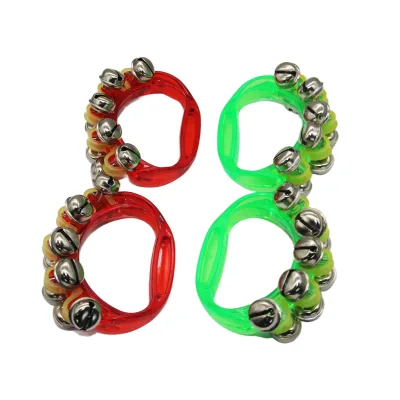
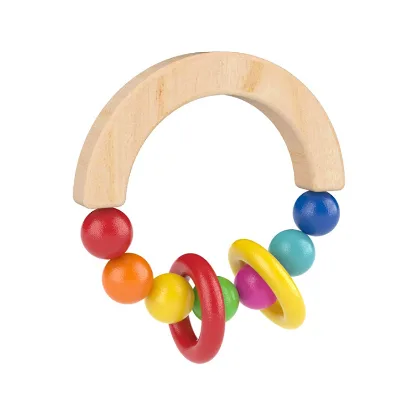
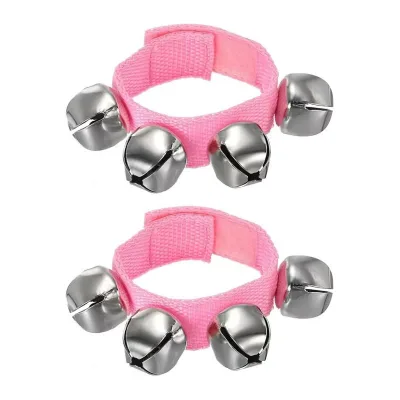
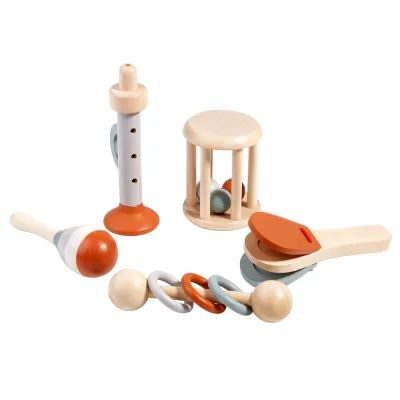
The market for wooden hand bells for children presents a diverse range of options, primarily originating from manufacturing hubs in Hebei, Guangdong, and Zhejiang provinces in China. Buyers will observe products categorized under percussion instruments and baby grab rings, with materials ranging from solid wood to combinations involving metal, plastic, and elastic ropes. These items are often designed for specific age groups, including infants as young as three months and toddlers up to 24 months, indicating a need for careful selection based on developmental stages.
Procurement decisions must account for significant variations in product attributes such as color, size, and packaging. Listings show options in gray, gold, red, green, and blue, with package sizes varying from compact 9x2x2 cm units to larger 20x6x6 cm configurations. The presence of features like direct play capability, durability, and portability suggests that buyers should prioritize items that align with specific educational or play environments, ensuring the physical dimensions and weight match the intended user's motor skills.
Product Scope and Observed Listing Signals
Buyers should verify that the product description explicitly matches the intended use, as listings range from general percussion instruments to specialized wooden baby grab rings. The observed data indicates that some products are marketed with specific model numbers like 0925 or S854, while others carry generic identifiers. It is critical to distinguish between items intended for musical development and those designed for sensory motor skills, as the construction and safety requirements for each category differ significantly despite sharing the core material of wood.
Commercial signals such as selling units and packaging types provide insight into the supplier's operational scale and target market. Some suppliers offer single-item sales with minimal packaging, while others list bulk requirements with specific gross weights ranging from 0.050 kg to 0.110 kg per unit. The presence of OEM branding alongside established names like Little Room suggests a mixed market of private label opportunities and branded goods, requiring buyers to clarify branding rights and customization capabilities before placing orders.
Technical Specifications to Verify
Technical verification must begin with the material composition, as observed listings include wood, metal, and plastic components. Buyers need to confirm that the primary structure is wood, as specified in the core keyword, while ensuring that any metal parts or elastic ropes are securely attached and non-toxic. The presence of mixed materials like wood and metal in some listings necessitates a detailed review of the manufacturing process to ensure that no sharp edges or loose components exist that could pose a hazard to young children.
Dimensional consistency is another critical technical factor, with observed single package sizes ranging from 7 cm to 20 cm in length. Buyers should request precise specifications for the actual product dimensions rather than relying solely on package size, as the latter includes protective materials. Additionally, the weight of the unit, observed between 0.060 kg and 0.110 kg, must be appropriate for the target age group to ensure that the child can handle the instrument without strain or risk of dropping it on themselves.
Compliance and Safety Documentation
Safety compliance is paramount for products targeting infants and toddlers, particularly those with an age range of 3 months to 24 months. Buyers must request documentation proving that the wooden components and any attached materials meet international safety standards for toys, including checks for lead content, phthalates, and other hazardous substances. The absence of specific certification data in the provided facts means that suppliers must be required to provide third-party test reports before any shipment is approved.
Environmental standards also play a role in the selection process, with some listings explicitly mentioning FSC certification for wood sourcing. While not all products in the observed range display this standard, buyers seeking sustainable options should prioritize suppliers who can verify their wood origin and processing methods. It is essential to confirm that the FSC claim is backed by valid chain-of-custody documentation, ensuring that the wood was harvested responsibly and that the final product adheres to environmental regulations.
Cost Drivers and Commercial Terms
Pricing in this category is influenced by material quality, manufacturing complexity, and the specific features included in the design. The observed price range of 0.09 to 9.06 USD reflects a wide spectrum of product tiers, from basic wooden bells to more complex multi-material instruments. Buyers should analyze the cost per unit relative to the material composition and feature set, understanding that higher prices may correlate with better finish quality, more durable attachments, or additional safety testing.
Minimum Order Quantities (MOQ) vary significantly, ranging from a single piece to 2000 pieces, which directly impacts the total cost of ownership and inventory risk. Suppliers with lower MOQs, such as 1 or 5 pieces, are suitable for testing market response or small-scale educational programs, while those requiring 2000 pieces are better suited for large-scale retail distribution. Buyers must negotiate terms that align with their cash flow and storage capabilities, ensuring that the commercial agreement allows for flexibility in order sizing as demand fluctuates.
Supplier Qualification and Quality Control
Supplier qualification should focus on their ability to maintain consistent quality across different production batches, especially given the natural variations inherent in wood. Buyers should assess the supplier's quality control protocols for surface finishing, ensuring that the wood is sanded smooth and free of splinters that could injure a child. The observation of different brands, including OEM and specific names like Yindu, suggests that buyers should verify the supplier's track record for maintaining brand consistency and meeting specific design requirements.
Quality control extends to the packaging and shipping process, as observed gross weights and package dimensions indicate varying levels of protection. Suppliers must demonstrate that their packaging prevents damage during transit, particularly for items with delicate components like elastic ropes or metal parts. Buyers should request photos of the actual production line and packaging process to verify that the handling procedures align with the safety and durability standards required for children's products.
Long-Term Procurement Checks
Establishing a long-term partnership requires regular audits of the supplier's production capabilities and adherence to agreed-upon specifications. Buyers should implement a schedule for periodic quality checks to ensure that the materials, dimensions, and safety features remain consistent over time. This is particularly important for wooden products, where changes in wood sourcing or finishing processes could inadvertently affect the product's safety or performance.
Market trends and regulatory changes in the toy industry necessitate ongoing communication with suppliers to stay ahead of compliance requirements. Buyers should maintain a dialogue regarding potential updates to safety standards or material restrictions that could impact the product line. By fostering a collaborative relationship, buyers can ensure that their supply chain remains resilient and capable of adapting to new challenges, securing a steady flow of high-quality wooden hand bells for their customers.
FAQs
What materials are used for wooden hand bells for children?
These instruments are typically crafted from wood, metal, or a combination of both. Some models incorporate plastic or elastic ropes for added durability and safety. The choice of material affects the sound quality and weight, ensuring the toy is suitable for young children's hands while maintaining structural integrity during play.
Can I find wooden hand bell for children with specific certifications?
Yes, you can source products that comply with specific safety standards. Some listings indicate FSC certification for wooden components, ensuring sustainable sourcing. Buyers should verify that all materials, including paints and finishes, meet international child safety regulations to guarantee the product is safe for children aged three months and older.
What is the typical MOQ for bulk orders of these bells?
The minimum order quantity varies significantly by supplier and product type. Some vendors accept orders as low as one piece for sampling, while others require a minimum of 2,000 pieces for mass production. Buyers should check individual product listings to determine the exact MOQ, as it depends on customization and packaging requirements.
Where are wooden hand bell for children typically manufactured?
Manufacturing hubs for these percussion instruments are primarily located in China. Key production regions include Hebei, Guangdong, and Zhejiang provinces. These areas offer established supply chains for wood, metal, and plastic components, allowing for efficient production and competitive pricing for international buyers seeking reliable sourcing partners for children's musical toys.
What features should I look for in a children's wooden hand bell?
Key features include direct play functionality, portability, and durability. Look for designs that are easy for small hands to grip, such as those with elastic ropes or ergonomic handles. Colorful options and safe, non-toxic finishes are also important. Ensure the product is labeled for the appropriate age group, typically starting from three months.
How are wooden hand bell for children packaged for shipping?
Packaging methods vary but often include simple bag packaging or individual boxes. Standard package dimensions might be around 20x6x6 cm or smaller for compact items. The gross weight is generally light, often under 0.1 kg per unit, which helps reduce shipping costs. Buyers should confirm packaging details to ensure product protection during transit.